
Tide Times and Seasonal Birdwatching
Plan your marsh walks around tidal schedules. Spring and autumn bring rare migratory species to Galway's coastal wetlands.
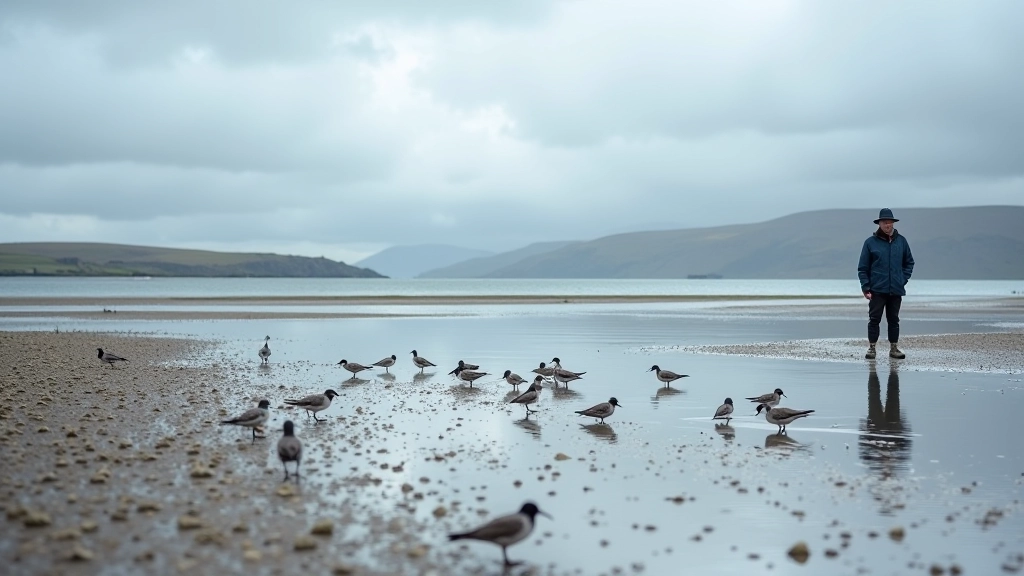
Why Tides Matter for Birdwatching
Here's the thing: tides completely change what you'll see along the marsh. Low tide exposes feeding grounds where waders congregate. High tide pushes birds into different areas. You'll notice way more activity if you time your walk right.
The Clarinbridge and Dunbulcaun areas get hit by Atlantic tides twice daily. Between neap and spring tides, water levels shift by up to 2 metres. That's not a small change—it's the difference between mudflats you can walk on and channels you'll need to avoid.
Best Times to Visit
- 2 hours before low tide – feeding birds at their busiest
- 1 hour after low tide – still good visibility, mudflats exposed
- Avoid high tide – birds scattered, harder to spot
Understanding the Tidal Schedule
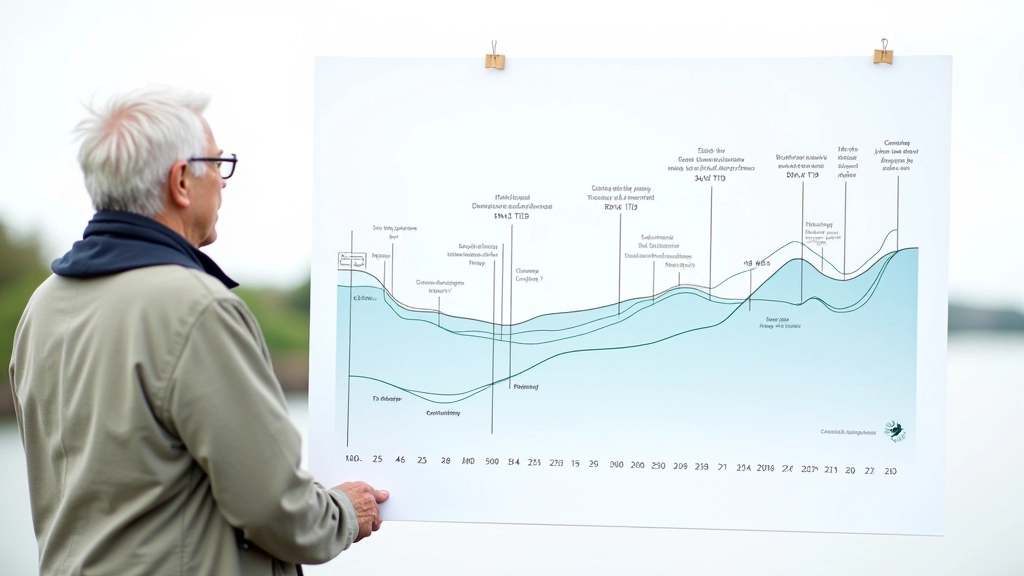
Galway bay follows a semi-diurnal tidal pattern—that means two high tides and two low tides every 24 hours and 50 minutes. It's not a neat daily cycle, so tide times shift by roughly 50 minutes each day.
You've got to check actual tide tables before heading out. Don't rely on memory from last week. Websites like tides.ie and tides.noaa.gov give you hourly predictions for Clarinbridge and Ardrahan specifically. Just enter your location and you'll see exact times for high and low water.
Spring tides occur around new and full moons—they're the biggest tidal ranges. Neap tides happen at quarter moons and are smaller. If you want maximum exposed mudflats for spotting feeding birds, aim for the 2-3 days around spring tide low water.
Seasonal Migrants and What You'll See
The marsh changes dramatically across the year. Summer brings breeding birds. Winter brings visitors from the Arctic. Spring and autumn? That's when you'll see species that barely stop here—they're passing through on journeys spanning thousands of kilometres.
Spring (March–May)
Warblers return. Whimbrels and curlews arrive from Africa. You'll see Dunlin flocks in hundreds. Peak activity is late April when everything's moving north. Bring binoculars—they move fast.
Summer (June–August)
Breeding season means fewer migrants but you'll spot nesting terns, redshanks, and oyster catchers. Quieter overall. Good time if you want a less crowded experience, though birdwatching activity drops compared to spring.
Autumn (September–November)
Peak migration southbound. Godwits, greenshanks, and rare warblers pass through. September and October are exceptional. You might see 20+ species in a single visit. Bring a notebook—you'll want to log sightings.
Winter (December–February)
Arctic visitors arrive—wigeon, pintail, and Bewick's swans. Larger flocks congregate here. Weather's rough but the birdwatching is reliable. Dress warmly and time your visit around low tide for best sightings.
Year-Round Residents
You'll always see mallards, shelduck, and cormorants. Grey herons hunt the shallows almost every day. Oystercatchers with their black-and-white plumage and loud calls are impossible to miss. These birds don't migrate—they're part of the marsh's permanent community.
Practical Tips for Successful Birdwatching
Check Before You Go
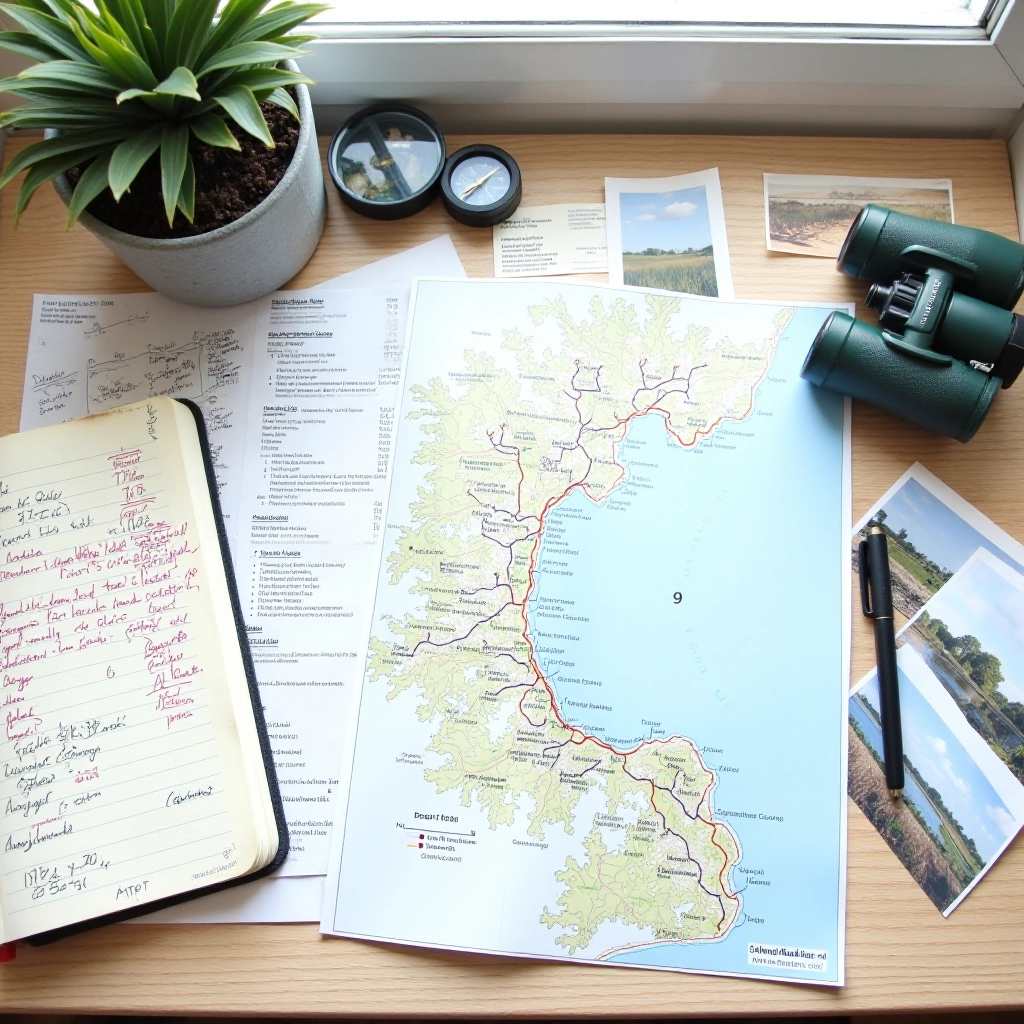
Download a tide table for your specific date. Bring a printed copy or screenshot—phone batteries die. Note sunrise and sunset times too; birds are most active within 2 hours of sunrise.
Move Slowly and Quietly
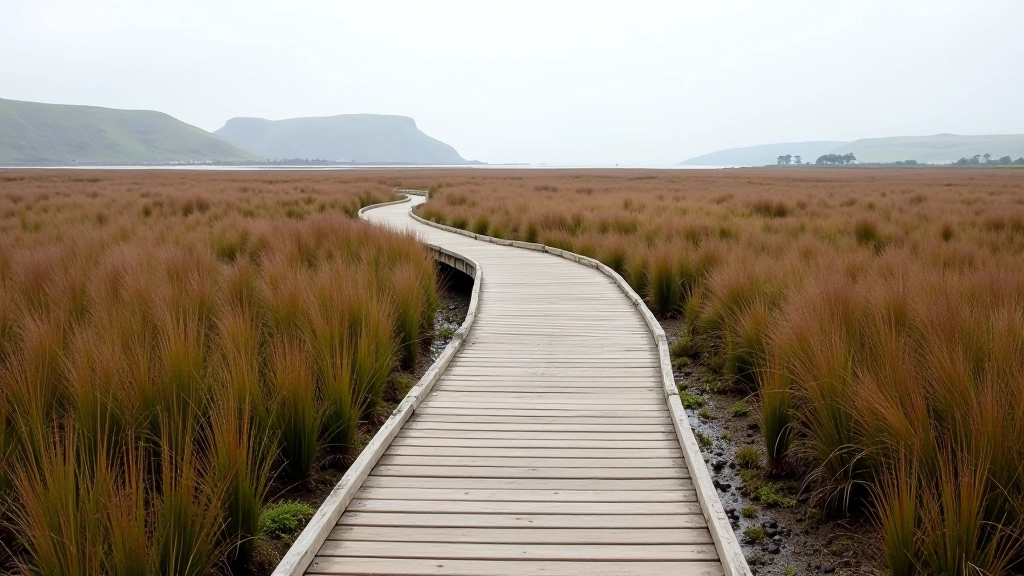
Birds bolt when they hear noise. Stay on marked paths. Use the boardwalks at Dunbulcaun—they let you approach without disturbing nesting areas. Wear neutral colours (greens and browns work better than bright whites).
Bring Proper Equipment
Binoculars are essential—10x42 magnification is the standard. A field guide specific to Ireland helps with identification. Many walkers use their phones for photos, which works if you've got a decent zoom lens.
Watch the Weather
Overcast days can be better than sunny ones—less glare on the water. Rain pushes birds into different areas. Strong winds make birdwatching harder but don't stop activity. Just dress properly and you'll be fine.

Creating Your Visit Schedule
Let's say you're planning a visit for next month. Here's your process: First, pick your preferred season based on what birds interest you. Spring for migrants, autumn for peak activity, winter for Arctic visitors.
Next, check tide times for your chosen dates. Aim for low tide between 8 AM and 2 PM if possible—better light for photography and easier walking. Plan your walk to start about 90 minutes before low tide. You'll catch birds feeding as the mudflats expose, then stay through low water when visibility is best.
Budget 2-3 hours minimum. Rushing through defeats the purpose. You need time to find birds, observe their behaviour, and actually identify them properly. Many experienced birders spend 4-5 hours per visit, especially during migration season when you'll keep discovering new species.
Galway Coastal Editorial Team
Editorial Team
Prepared by the Galway Coastal Editorial Team, focused on honest, practical guidance for shore walks and coastal paths.
Plan Around the Tides
Birdwatching isn't about luck—it's about timing. Know the tides, understand the seasons, and you'll see birds consistently. The marsh rewards preparation. Check your tide tables, pick the right time of year, and commit to a few hours outdoors. You'll be amazed at what you spot.
Whether you're at Dunbulcaun's protected boardwalk or exploring Clarinbridge's edges, the rhythm of the tides and the cycles of migration create opportunities throughout the year. Start simple—maybe pick autumn and visit during low tide. Build from there. Before long, you'll have favourite spots and you'll know which species show up when.
Important Notice
This guide provides general information about tidal patterns and birdwatching opportunities in Galway's coastal areas. Tide times and bird species activity vary based on specific conditions, weather, and time of year. Always consult current tide tables before visiting—don't rely solely on historical data. Respect wildlife by maintaining distance and staying on designated paths. Some areas may have seasonal restrictions to protect nesting birds. Check with local conservation authorities before your visit. Weather and tidal conditions can change rapidly; take appropriate precautions and plan accordingly.
Related Articles

Dunbulcaun Marsh Loop: Easy 2-Hour Route
Flat boardwalk trail through protected marshland. Excellent for birdwatching and wildlife photography.

Clarinbridge Oyster Village Heritage Walk
Combines coastal views with village history. Visit working oyster beds and traditional tidal architecture.

Walking Safely: Gear Tips and Route Planning
Advice on footwear for muddy sections, weather-appropriate clothing, and using walking poles safely.