
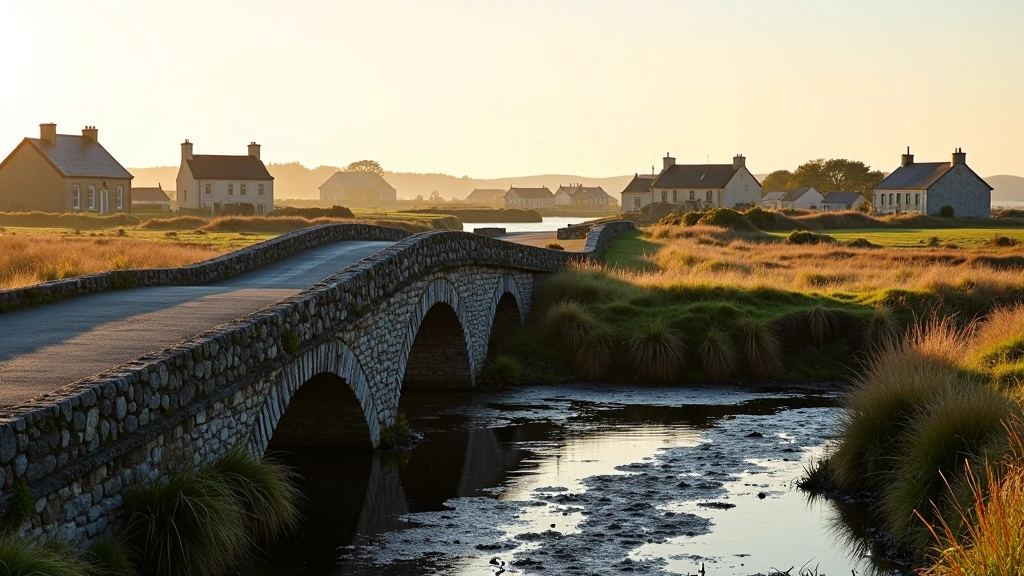
Clarinbridge Oyster Village Heritage Walk
Combines coastal views with village history. Visit working oyster beds, see traditional architecture, and learn about the region's shellfish heritage.

Flat boardwalk trail through protected marshland. Excellent for birdwatching, rest benches every 500 metres, accessible parking at trailhead.
The Dunbulcaun Marsh Loop isn't a challenging hike — it's a peaceful walk through one of Galway's best-kept natural spaces. You'll spend two hours on a well-maintained boardwalk, spotting wading birds and breathing in the salt air. There's nothing technical about it. Just good ground, clear paths, and the kind of scenery that makes you want to come back.
What makes this route special? It's accessible. Seriously accessible. The boardwalk means no scrambling over rocks or trudging through mud. Rest benches appear every 500 metres or so, and the parking is right there at the start. If you're getting back into walking after a break, or you've got family members who need a gentler pace, this is the walk.
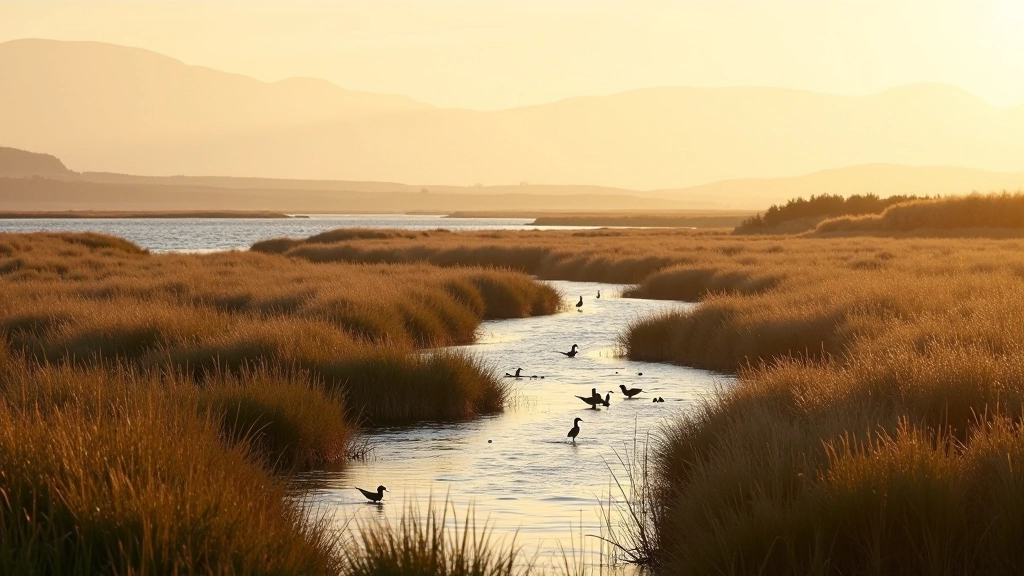
The route starts at the car park just off the main road. You'll see the boardwalk entrance marked clearly — can't miss it. From there, the path winds through the marsh for roughly 5 kilometres, making a complete loop back to where you started.
The boardwalk's the main feature. It's solid timber construction, about a metre wide, with handrails in the trickier spots. You're walking above the marsh vegetation, so you get proper views of the habitat without disturbing it. In spring and autumn especially, you'll see curlews, redshanks, and if you're lucky, herons stalking the water channels below.
The terrain's completely flat. No elevation gain to worry about. Walking pace is leisurely — most people take their time, stop at the benches, maybe bring binoculars for the birdwatching. Two hours is a realistic timeframe including breaks, though you can easily stretch it to three if you're really taking it in.
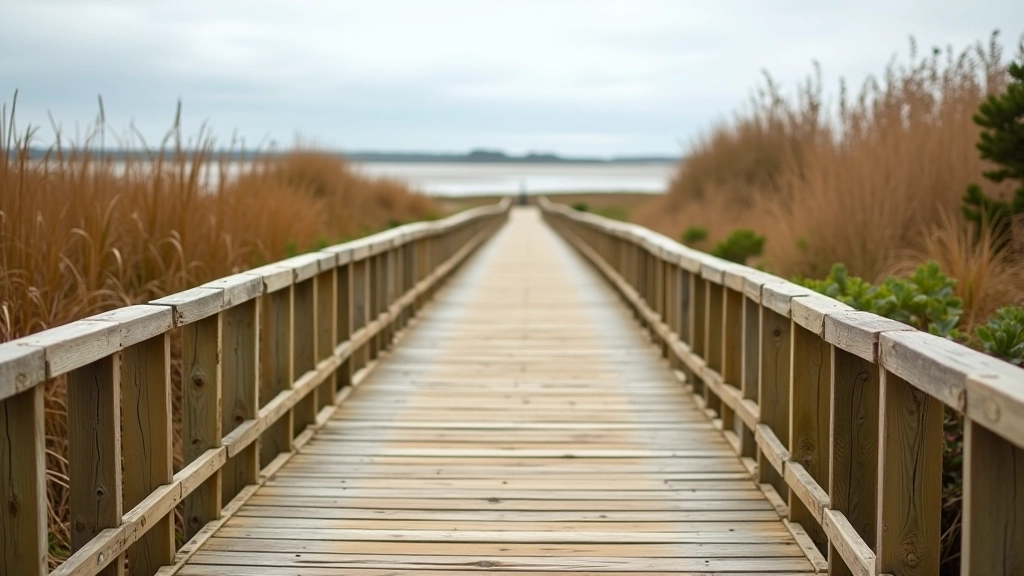
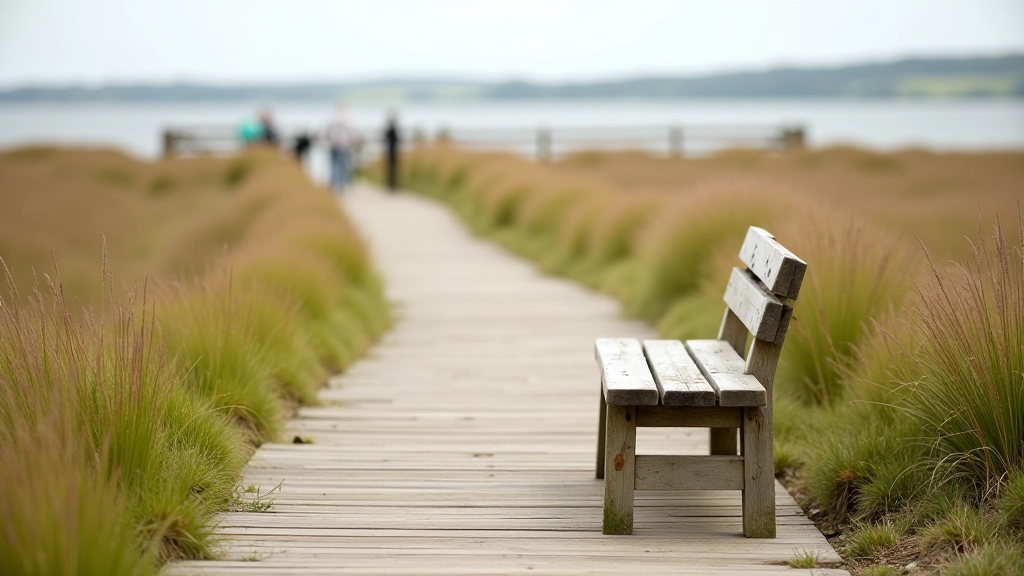
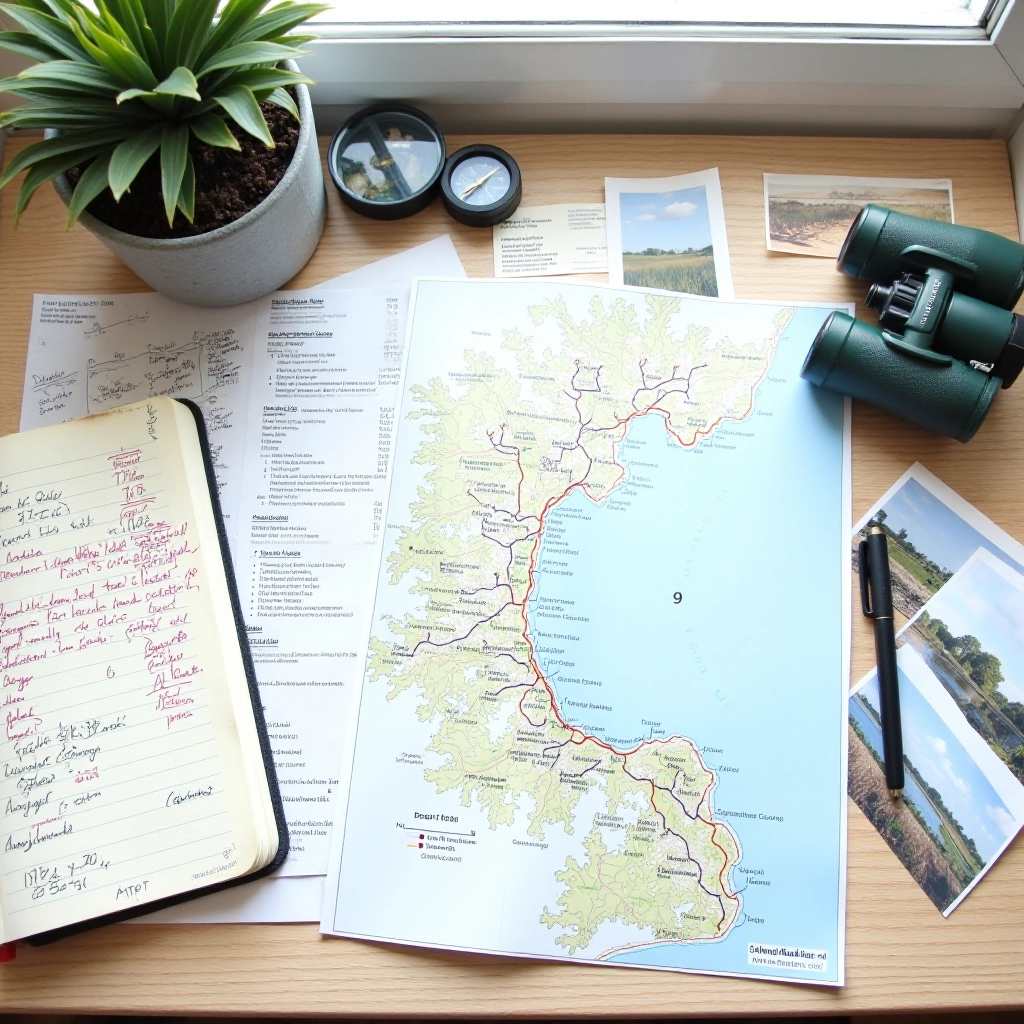
The parking area's got about 30 spaces, and there's a small information shelter with maps and details about the marsh habitat. That's genuinely helpful when you're planning the walk — tells you what birds you might spot depending on the season.
Benches are positioned roughly every 500 metres along the boardwalk. They're basic but sturdy, facing out toward the best viewing areas. There's no cafe or shop at the trailhead, so bring water and snacks. A couple of energy bars or a flask of tea makes the experience much better.
The boardwalk itself has handrails throughout — essential if you're less steady on your feet or if it's been rainy and the timber's a bit slick. The surface is slightly textured to prevent slipping, which is thoughtfully done.
This is where the marsh really shines. You don't need to be an experienced birder to enjoy it. The habitat's diverse enough that you'll see something interesting almost any day you visit. Winter brings overwintering wildfowl — shovelers and teal are common. Spring's when the waders arrive — curlews with their haunting calls, redshanks, and occasionally greenshanks.
Summer's quieter for birdwatching, but you'll still spot herons and egrets hunting the shallows. Autumn's the best season if you want variety. Migrating birds pass through, and you can see species you wouldn't normally encounter. Bring binoculars and a field guide. The walk's slow enough that you've got time to stop and actually observe.
The boardwalk's advantage for birding? You're elevated above the marsh, so birds don't spook as easily as they would if you were walking through the vegetation. You can get decent views without disturbing the habitat.
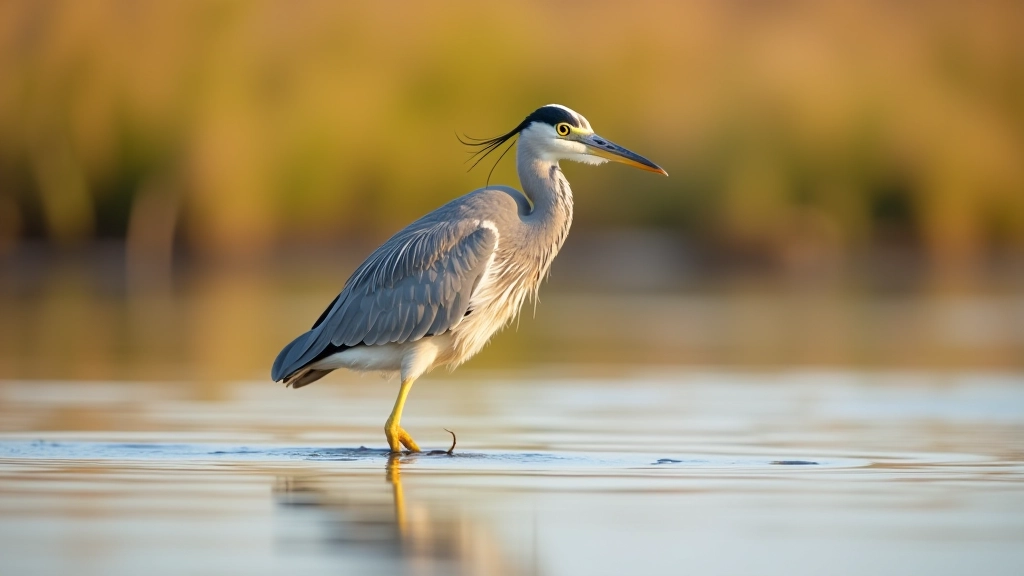
Wind's a real factor here. The marsh's exposed, so afternoon winds can pick up. Start early in the day for calmer conditions. Spring and autumn offer the best balance of weather and wildlife activity.
Boardwalk means you don't need serious hiking boots. Good walking shoes with grip are fine. After rain, the timber can be slick — that textured surface helps, but wear shoes with decent traction just in case.
Even if you're not a serious birder, binoculars genuinely enhance the experience. You can see details of the habitat and spot birds you'd otherwise miss. A small field guide helps too.
The marsh changes appearance with the tides. High tide brings water closer to the boardwalk, creating dramatic reflections. Low tide reveals the full expanse of the habitat. Neither's better — just different perspectives.
The loop's straightforward — it's basically impossible to get lost. The boardwalk's continuous and clearly marked. Even so, grab the map from the information shelter. It shows you where the benches are and which areas are best for different bird species.
There's minimal shade on the boardwalk. Sun protection matters, especially in summer. A hat and sunscreen are sensible. For wind, a light windproof layer works better than heavy jackets — you'll generate heat from walking even on cool days.
Author
Editorial Team
Prepared by the Galway Coastal Editorial Team, focused on honest, practical guidance for shore walks and coastal paths.
The Dunbulcaun Marsh Loop succeeds because it's honest about what it offers. It's not dramatic. There's no summit or hidden waterfall. What you get is a straightforward, accessible walk through a working natural habitat. The boardwalk means it's sustainable — visitors aren't damaging the marsh. The benches mean you can rest whenever you need. The birdwatching's genuinely good without requiring special skills.
If you're returning to walking after time away, or you want a route that works for mixed-ability groups, this is it. Two hours feels manageable. The flat terrain removes uncertainty. The facilities mean you can focus on enjoying the walk rather than worrying about logistics.
Come in the right season, bring binoculars, and you'll see why this little stretch of Galway coastline matters. It's quiet, it's real, and it's the kind of walk you'll want to repeat.
This guide is informational and based on current conditions. Weather, access, and facilities can change. Always check local conditions before visiting, particularly after heavy rain or storms which may affect boardwalk safety. The marsh is a protected habitat — stay on marked paths and respect wildlife. Carry appropriate footwear, water, and sun protection. If you have mobility concerns or health conditions, consult with a healthcare provider before undertaking any walk.
Combines coastal views with village history. Visit working oyster beds, see traditional architecture, and learn about the region's shellfish heritage.
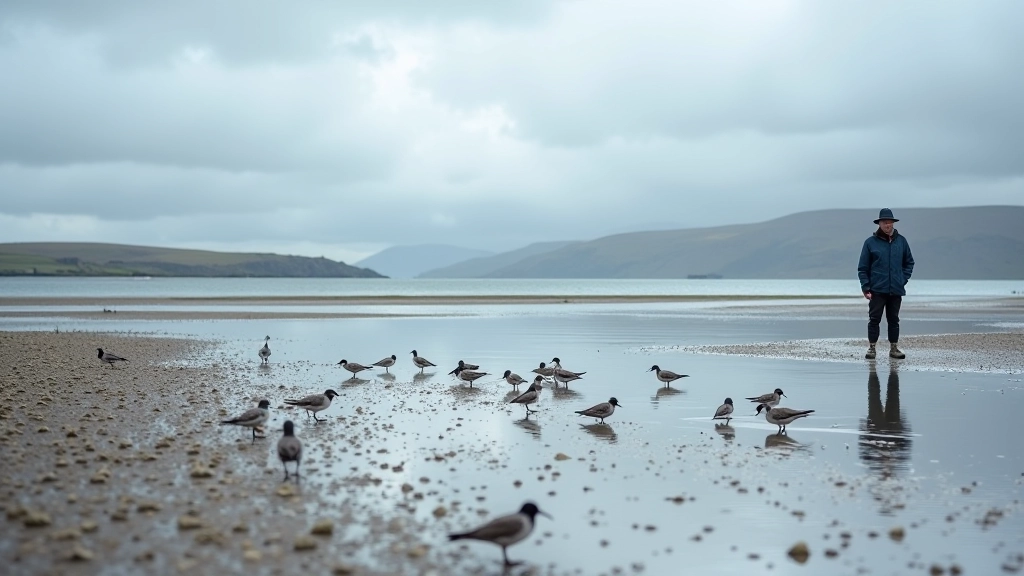
Plan your walk around tidal schedules. Spring and autumn bring migratory species to Galway's marshes and mudflats.
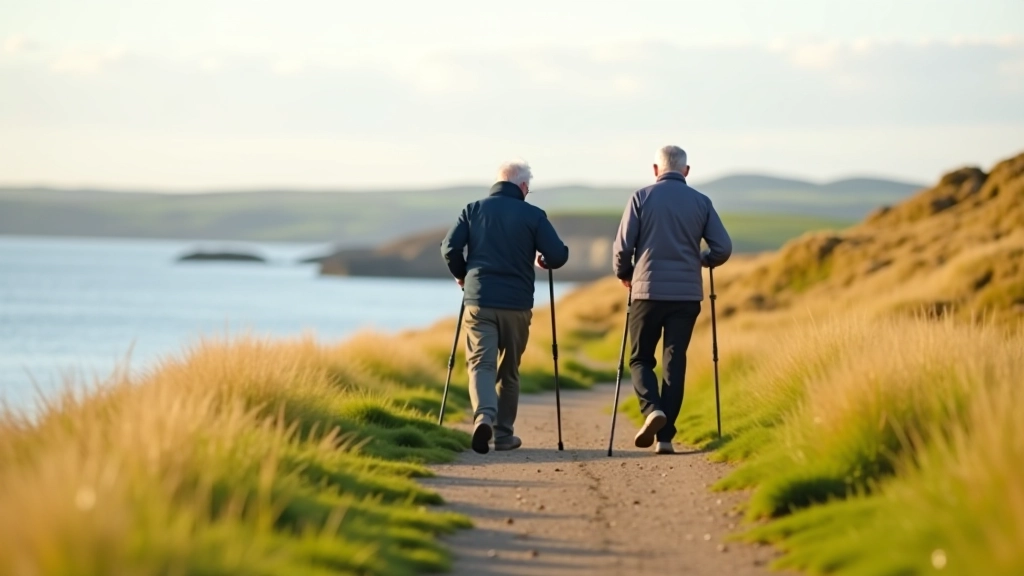
Advice on footwear for muddy sections, weather-appropriate clothing, and using walking apps for navigation on coastal routes.