

Dunbulcaun Marsh Loop: Easy 2-Hour Route
Flat boardwalk trail through protected marshland. Excellent for birdwatching, recently renovated sections.
Smart choices for footwear, weather protection, and navigation keep you comfortable and confident on every coastal path.
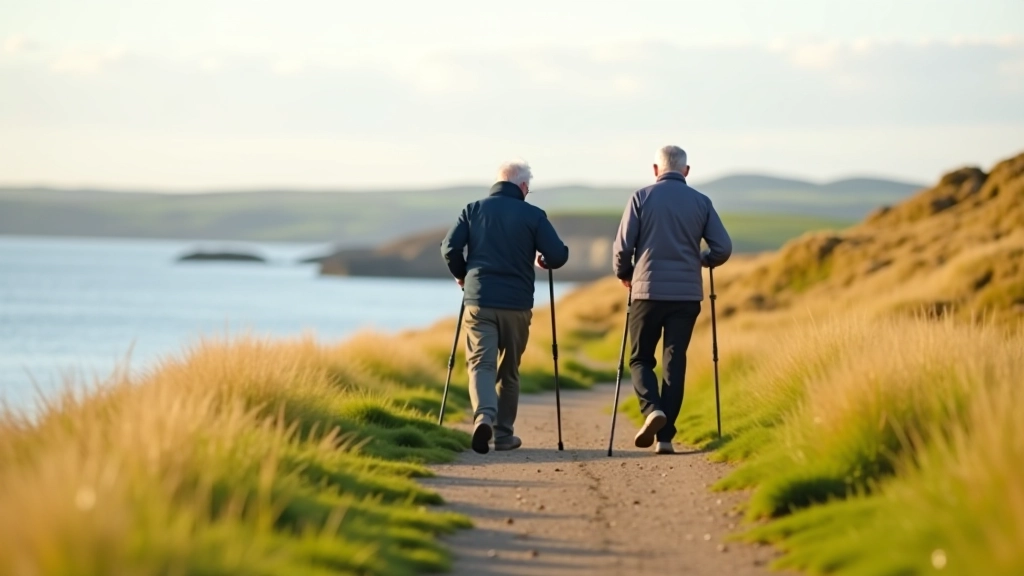
You don't need fancy gear to walk safely on coastal paths. But the right choices make a real difference. Whether you're tackling muddy marsh sections or navigating exposed clifftops, we've covered what actually matters — and what you can skip.
The routes around Clarinbridge and Dunbulcaun aren't technically demanding, but they do demand respect. Tidal flats shift. Weather changes fast. And a twisted ankle on a remote boardwalk gets serious quickly. We'll walk you through the practical gear choices that keep you safe and comfortable.
Your shoes determine everything else. Get them wrong and you're spending the walk worrying about your feet instead of enjoying the view.
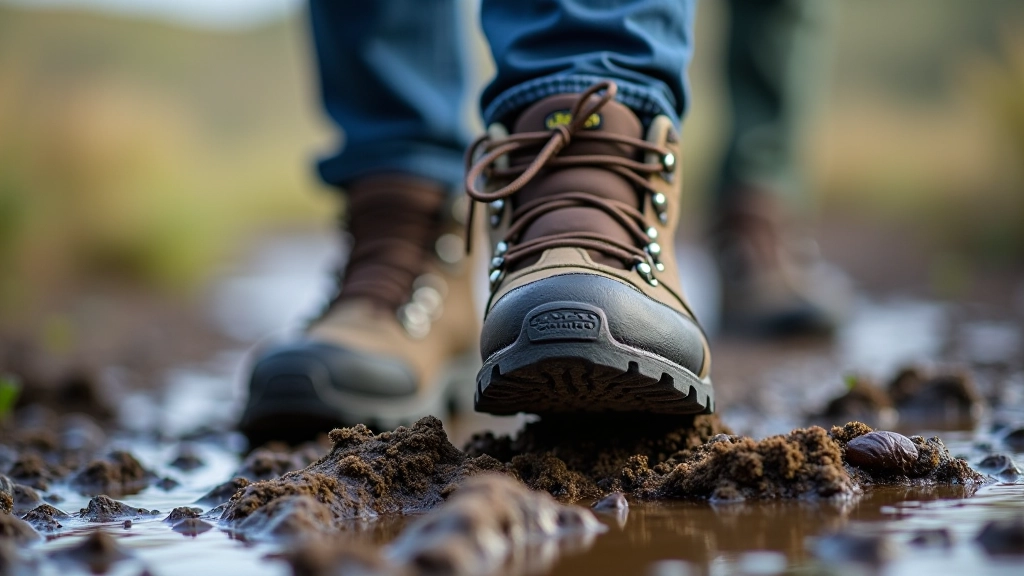
For marsh walks, you'll encounter mud. Not the neat kind. We're talking thick, slippery silt that grabs your sole and doesn't let go. Waterproof hiking boots with aggressive tread patterns aren't optional — they're essential. Look for boots with a sturdy ankle collar. The muddy sections of Dunbulcaun loop can be tricky underfoot, especially after rain, and ankle support prevents the small missteps that become twisted ankles.
If you're walking cliff paths or boardwalks, grip matters more than waterproofing. Vibram soles or equivalent give you real traction on wet wood and damp grass. Standard trainers won't cut it. You'll find yourself sliding on the slightest incline.
Coastal paths are deceptively cold. Water amplifies wind chill. A 15-degree morning feels like 5 degrees when you're 50 meters above the tidal flats with nothing between you and the Atlantic.
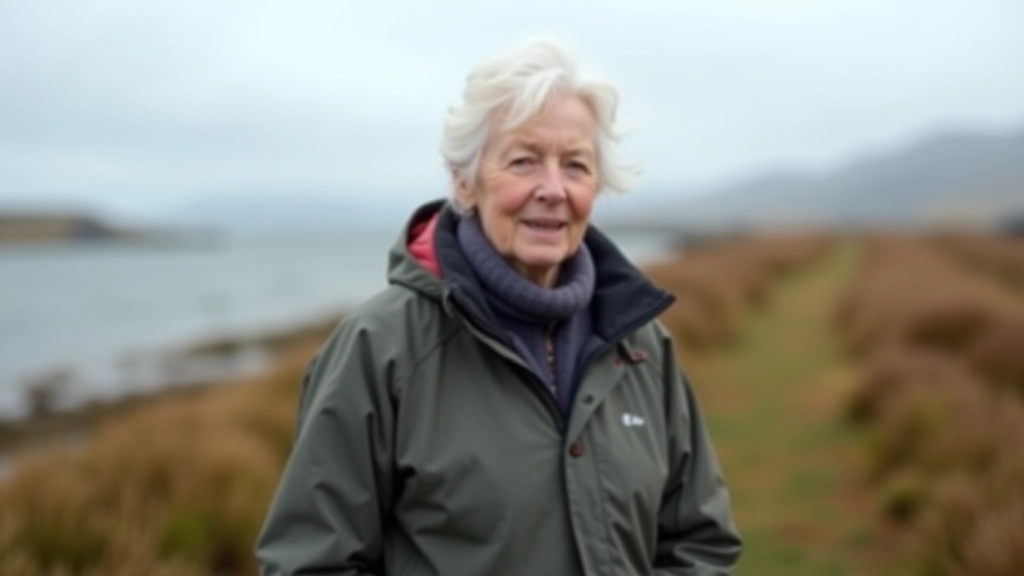
The key isn't heavy clothing — it's smart layering. Start with a moisture-wicking base layer. Cotton holds sweat. Merino wool or synthetic blends dry fast. Add a fleece or lightweight down mid-layer for insulation. Top it with a windproof, waterproof jacket. You'll want a hood that fits over a hat. Rain here comes sideways.
Bring extra layers even on clear mornings. Weather changes in 20 minutes. We've seen walkers huddled in inadequate jackets who'd planned for "just a quick two-hour loop." Pack a spare fleece in your rucksack. It weighs almost nothing and becomes your insurance policy.
Wind chill is real. A 10-degree day with 25 mph wind (common along the coast) feels like -5 degrees on exposed sections. Hypothermia can start in those conditions if you're wet.
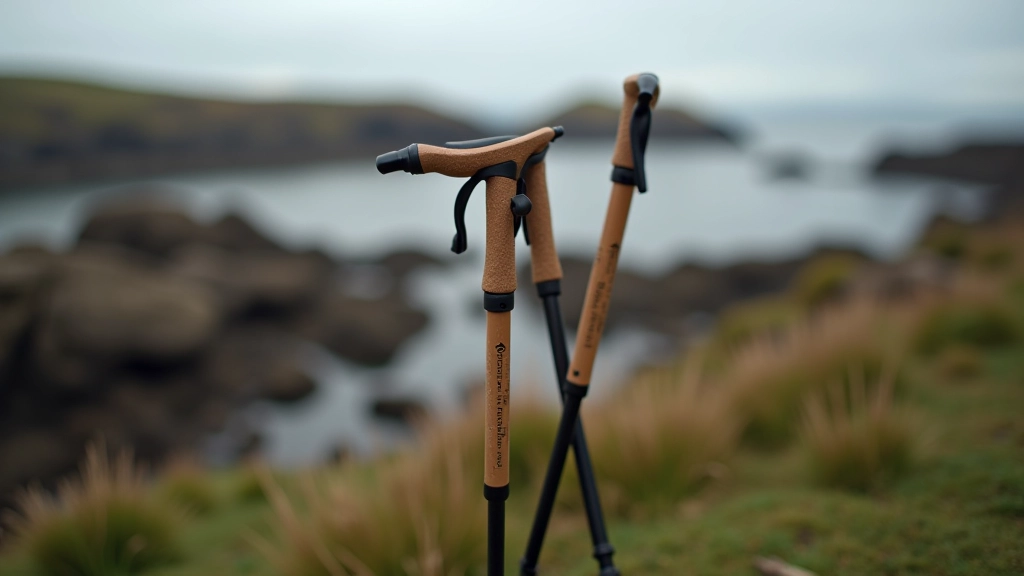
Walking poles aren't just for alpine terrain. On coastal paths, they're genuinely useful safety tools. They stabilize you on muddy sections. They take pressure off knees on steep boardwalk descents. And on exposed cliff paths, they give you something extra to brace against sudden gusts.
Most walkers underestimate how much grip you lose on wet boardwalks. Wood becomes slippery fast. Poles with carbide tips grip better than boots alone. A pair of lightweight adjustable poles (around 500-700g total) costs less than £50 and you'll use them forever.
Adjust your poles to roughly 90 degrees at the elbow when standing flat. Don't tighten them so they're rigid — let them absorb some impact. And don't use them only on climbs. Descents are where they actually prevent injury. On the Clarinbridge heritage walk, the drop down to the oyster beds is gentle, but it's wet and muddy. Poles make it safe.
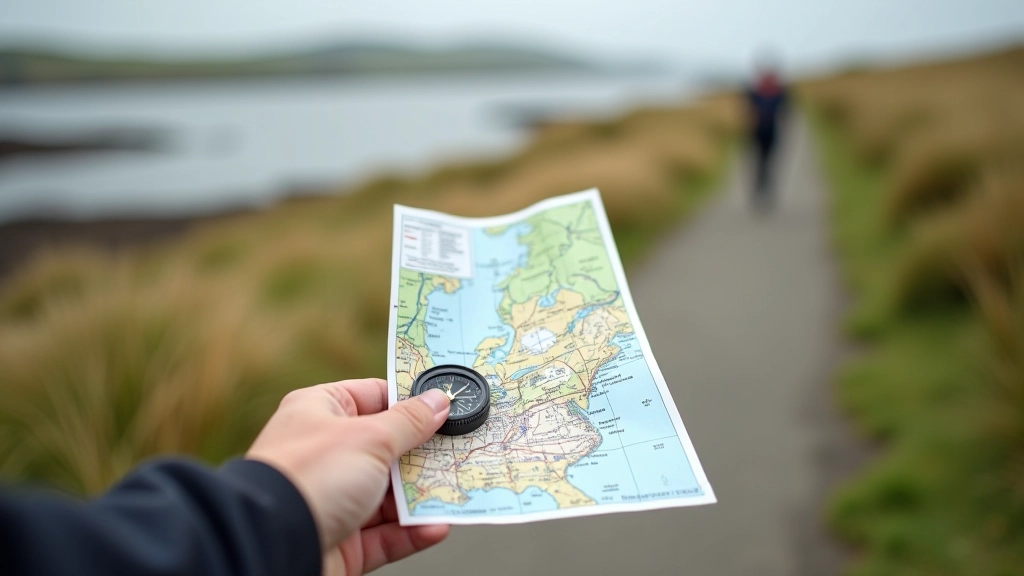
These routes are well-marked. But "well-marked" isn't the same as "impossible to get lost on." Marshes look the same in every direction. Boardwalks fork unexpectedly. And phone batteries die at inconvenient moments.
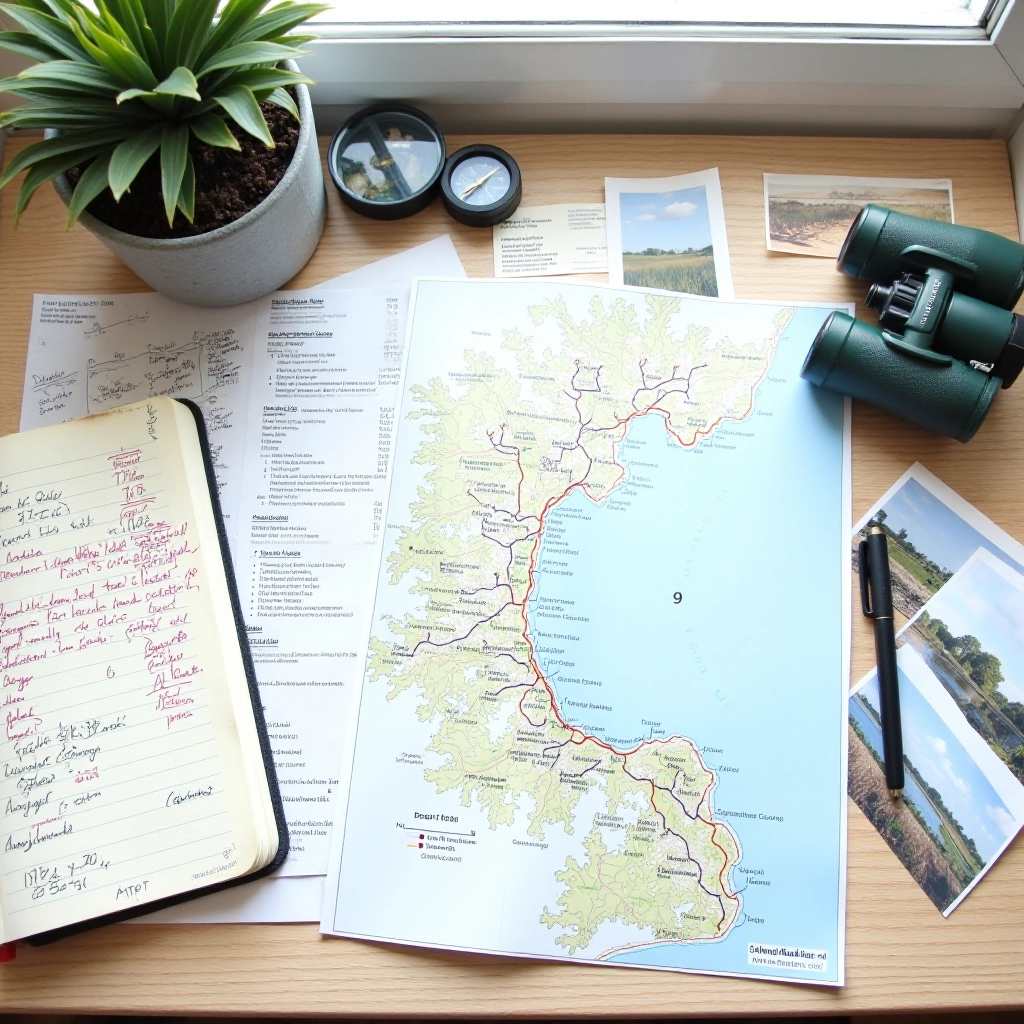
Carry a printed map. Download it if you like, but print it. Paper doesn't run out of battery. Mark your route with a highlighter before you leave. That takes five minutes and prevents confusion when you're tired. The Dunbulcaun loop has a few turns that aren't obvious if you're moving quickly.
Use your phone for GPS, but don't rely on it. Coastal areas have patchy signal. Download offline maps (Google Maps or Komoot work well) so you can navigate without service. Bring a basic compass too. You don't need to know how to triangulate — just use it to confirm which way is north when you're checking the map.
Write down local emergency numbers and put them in your phone and pocket. The Irish Coast Guard is 999. If you're on a tidal path and the tide comes in faster than expected, you might need to call for help quickly. Having the number ready matters.
Blister treatment matters more than you'd think. Bring plasters, antibiotic ointment, pain relief, and tweezers (for splinters from boardwalks). A small elastic bandage handles minor sprains.
Phone fully charged. Tell someone where you're going and when you'll be back. Consider a personal locator device if you're walking alone regularly.
Two liters of water minimum. Energy bars or nuts. A tired body makes poor decisions. Keep your blood sugar and hydration stable.
Sunscreen even on cloudy days (UV reflects off water). Hat for sun and wind. Waterproof bag for electronics.
Each route has its own quirks. The Dunbulcaun loop is 2 hours on the boardwalk — muddy but flat. The Clarinbridge heritage walk mixes village walking with coastal sections and has some elevation change. Tide times matter on both. Check them before you leave.
Spring and autumn bring coastal winds. Summer brings sun exposure you won't feel until you're home. Winter brings tidal surges that occasionally close paths. Plan around these realities. Start early enough that you'll finish before dusk. Paths become genuinely unsafe in poor light.
Walk with someone if you can. Two people can handle emergencies. One person on a muddy boardwalk with a twisted ankle is a different problem entirely. And honestly? These walks are better shared. The quiet of the marsh, the oyster beds, the view across the water — they're worth talking about with someone else.
Editorial Team
Prepared by the Galway Coastal Editorial Team, focused on honest, practical guidance for shore walks and coastal paths.
This guide provides general information about walking safety and gear selection for coastal paths. It's not a substitute for your own judgment or professional advice. Weather conditions, tidal patterns, and path conditions change frequently. Always check local conditions, weather forecasts, and tide times before heading out. If you have mobility concerns, joint issues, or health conditions that might affect your walking, consult with a healthcare provider before attempting any route. Walking on coastal paths involves inherent risks including exposure to weather, tidal hazards, and uneven terrain. You are responsible for assessing these risks and making decisions appropriate to your fitness level and experience. Carry appropriate safety equipment and inform someone of your route and expected return time.
Flat boardwalk trail through protected marshland. Excellent for birdwatching, recently renovated sections.

Combines coastal views with village history. Visit working oyster beds, see traditional stone buildings.
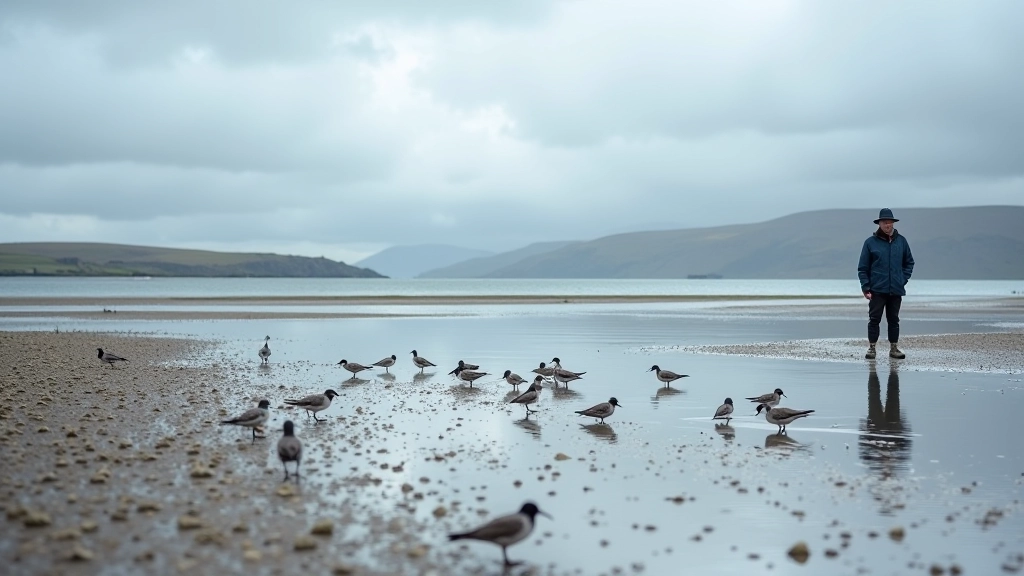
Plan your walk around tidal schedules. Spring and autumn bring migratory species to these protected bays.